
Skip to content

Join our free Let’s Move Exercise Program! Accessible, expert-led virtual sessions to help you build strength and improve balance from home. REGISTER

English

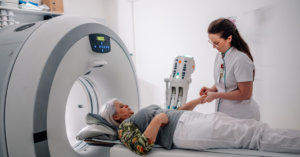
Snapshot: What is a CT Scan?

A computer tomography (CT) scan, also called a CAT scan, is a diagnostic imaging procedure that uses X-rays and a computer to help doctors see inside your body.  CT scans provide detailed, cross-sectional pictures of bones, soft tissues, and organs that doctors can use to detect problems like injuries, infections, Read More…
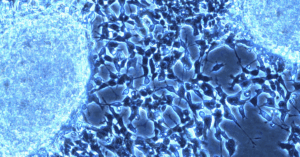
An unexpected guest found in toxic ataxin-1 clumps in SCA1

Written by Anastasiya Potapenko   Edited by Priscila Pereira Sena New clues into SCA1: RNA gets trapped inside toxic ataxin-1 clumps in brain cells, disrupting the production of proteins and contributing to disease. To develop treatments for human diseases such as spinocerebellar ataxia type 1 (SCA1), researchers need models that reflect Read More…

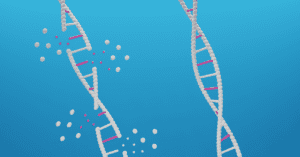
Snapshot: What Are Silent Mutations?

Our DNA (deoxyribonucleic acid) serves as a genetic blueprint for building and maintaining our tissues. This complex molecule contains the information needed to build proteins, written in a code made up of four chemical bases: adenine (A), thymine (T), cytosine (C) and guanine (G). During transcription, the DNA sequence—stored in Read More…

Snapshot: What is a Variant of Uncertain Significance (VUS)?

What is a variant? The human genome contains over 3 billion base pairs– individual “letters” in the DNA code that make the instructions for our cells and bodies to function. A variant or mutation is any change in this code. These changes can be passed down from our biological parents Read More…

Snapshot: What Are Nonsense Mutations?

Our DNA (deoxyribonucleic acid) serves as a genetic blueprint for building and maintaining our tissues. This complex molecule contains the information needed to build proteins, written in a code made up of four chemical bases: adenine (A), thymine (T), cytosine (C) and guanine (G). During transcription, the DNA sequence—stored in Read More…

Moving forward with movement sensors for ataxia

Written by Carrie Sheeler, PhD    Edited by Celeste Suart, PhD Advances in wearable technology for tracking ataxia severity combine coordination changes across different types of movement.  How do you know a new treatment is working? This is the key question that clinicians have to answer when developing and testing new therapies. One on one, a patient Read More…

Snapshot: What Are Missense Mutations?

Our DNA (deoxyribonucleic acid) serves as a genetic blueprint for building and maintaining our tissues. This complex molecule contains the information needed to build proteins, written in a code made up of four chemical bases: adenine (A), thymine (T), cytosine (C) and guanine (G). During transcription, the DNA sequence—stored in Read More…

24/7 Wearable Sensors: A New Way to Track Ataxia

Written by Poojashree Chettiar Edited by Pragya Goel, PhD AI and wearable tech may transform how ataxia is monitored Could everyday devices help track ataxia? Finding treatments for neurological disorders like spinocerebellar ataxias (SCAs) and multiple system atrophy (MSA-C) has been challenging. A major reason is the lack of good Read More…

Translate »

Join the Ataxia community today!

Become a free member for exclusive content from NAF.